A counselling psychologist's experience(My patient has died Part 9)
I had just begun my attachment at the hospital and super eager to do a good job.
"Work hard so they take notice of you and hire you" said ALL my relatives.
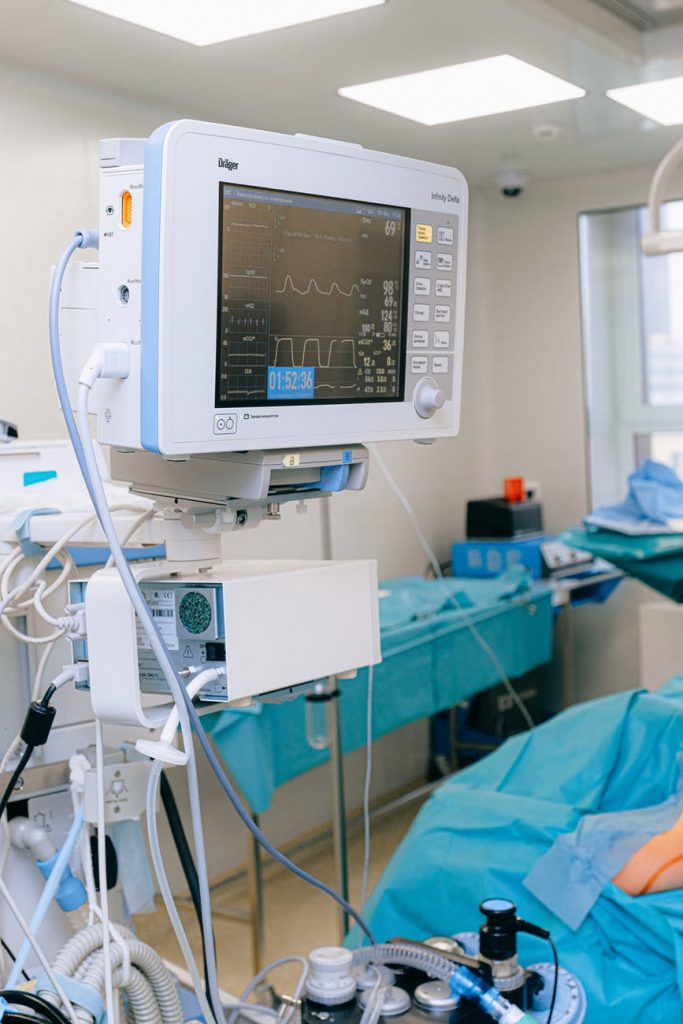
I was one of the not so lucky ones that got thrown into the deep end, the critical care unit. There didn't seem to be anyone to counsel or offer the kind of services I was trained to provide. Just loud machines I did not understand how to read. (No, all the medical series didn't help. At all)
It wasn't long before we were hurdled into a room for what we thought would be orientation. Three strange men followed, the last one was broken, bereaved. I could tell because death gives everyone the same sombre look.
Our supervisor informed them that their brother has died, she answered all their questions, and made them feel that even though it wasn't going to be easy, we did, really, do our best.
With time I'd learned the ropes. In a couple of weeks, I was doing the same, explaining the prognosis and breaking news. It was never easy.
I'd always pass by bed 21 afterwards; the patient who almost died but didn't. He was the only conscious patient I had at that unit. He was said to be depressed and stubborn. Though at some point, we were more of friends than patient and therapist. He knew how to live, laugh and love even when surrounded by death. He knew how the bodies were wrapped;
he'd lost count of the new neighbours he'd seen being wheeled to the mortuary over the years.
Even so, 21 was hopeful. He was going to recover and be home in time to watch the world cup.
Being around for so long afforded me the opportunity to meet his family, sadly, his kid brother was never allowed to visit (hospital rules). But they'd made plans to make up for the
birthdays he had missed.
21 would suggest series for me to watch and ask for strange sandwiches, or just the eclair he'd occasionally crave. I couldn't bring him any (again, hospital rules), but the series were good.
One day when my colleagues and I were making our rounds we met his grandmother in the
corridors and she was excited!
"My grandson's birthday is on Saturday, we'd love for you to come and celebrate with us! "
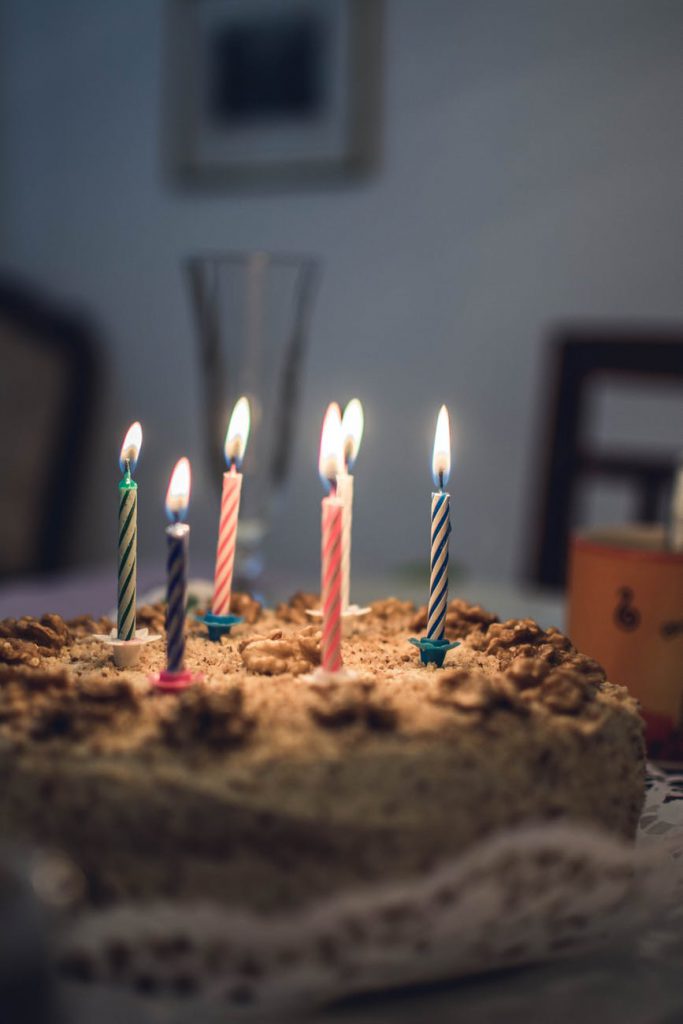
I didn't go, I hear it was amazing. The cake was large! ( I made a
point to bring him his sandwich to make it up to him though.) 21 was happy as he'd been informed that he'd be going home in a couple of weeks!!
They assigned me to a new unit. I had new patients, many critical... but I knew I needed to make time to visit 21. I didn't. He was to go home soon anyway so my job was done. He was no longer depressed. Heck, he was excited and always laughing. My colleagues said he was doing great!
He had a minor surgery scheduled for that night to have his bed sore patched. Simplest of surgeries! He'd had such invasive ones before, this was nothing.
Days passed and I forgot. We forgot. We had new patients, and news to break to families. Some of us had new ropes to learn. (New departments and what not.) Occasionally we'd talk about 21 and how we'd forgotten him. But he would understand, he
always did when we disappeared.
It was the Monday after what felt like a long weekend when we bumped into our supervisor from 21's unit. She didn't say hi, she waved though...Which I thought was fine.
"She's busy, we're busy. Let's visit 21 today" we decided.
21 wasn't there.
"Oh, he was supposed to go home! We'll just call him. "
21 didn't pick up.
Then our supervisor called and had us meet her.
"21 died in surgery."
Why do I call him 21? Because that was his bed number. Also, I unlearned his name. I'm sure I could find his name in my phone book if I looked hard enough, but I don't want to.

My work was not done. When 21 died we had to break the news. We had to explain to his younger brother why they couldn't have the birthday parties they had planned. We had to explain to his family what happened, to debrief them and have them receive the news in the best way
possible. I'm not sure that is possible any more, but that's what they teach you to do.
21 taught me, my patients are not my friends. I viewed his body. I hoped he'd wake up. I did not want to answer his grandmother's questions. I wasn't his doctor. I don't know his doctor. I did my part. I helped him cope, adapt, conquer. All of that still meant nothing once they'd put
him under. Sheer willpower, high levels of self-awareness and self-worth are useless when
you're not conscious.
Do I regret having had 21 as my patient? No.
Would I take up another critical patient? Yes, I just won't take their phone number.
There are other 21s now. Some die, some go home.
I went home that evening and when asked how my day was, all I said was, "my patient has died."
Mueni's comments: Our second last post in this series and what a story! Thank you Maria for sharing this with us.
What are your thoughts on befriending patients? Is it a slippery slope for medics or does it strengthen the doctor - patient relationship ? (whether you're a medic or not, I think we can pick your brain on this. )

My brushes with death (My patient has died Part 7)
It's said that after birth, the only guarantee is death.
I think that's why, when asking me to throw in my two cents, Joy didn't start with 'have you ever lost a patient?'. Instead it was, 'would you want to write about it?', with the assumption that, especially as a medic, I have had my brushes with death.
I don't have a specific story though. When this first came up, I didn't immediately think of one particular patient - rather, my first thoughts were the products of a number of experiences - so instead I'm going to expand on the common elements of what I'll call, for lack of a better term, 'the motions'.
It's almost like a set script. As a medical student, you meet a random patient. Maybe you find them on the bed assigned to you. Maybe they're the only one who was awake when you went to 'clerk' (a term for talking to patients and getting their histories and examining them)…or maybe you just happened to be in the vicinity when they wanted something and you ended up talking. It doesn't really matter. The outcome is the same: contact is established.

This is a different type of acquaintance that you make though. You start off as complete strangers, and within an hour's time, you're…not friends, exactly, but a semi-intimate bond does form. By the end of the hour, you know all about this major turning point in their life - the thing that's brought them to hospital (which to us isn't a big deal, but for any 'civilian', I can appreciate how significant it is) - as well as a lot of other details that you don't share on the first meeting with others, such as their family trees, other illnesses they've battled…and sometimes even how many windows their homes have. In and of themselves, most of these random facts have no bearing, but they do serve to make you feel a stronger connection to the stranger before you
That's step one.
Things can progress in a number of ways then, depending on the specific condition, but often there is a phase of 'strengthening' that connection. It's small, daily advances you make as you check in on them to see how they're doing, ask about complaints, answer their questions…the interactions don't last too long, but they do serve to build up enough of a 'base' such that when you step into the room, your eyes first seek their bed, their eyes. You feel that rush of warmth that accompanies familiarity, and you see it reflected in their expression too, and those mini-check ins become a cozy little daily ritual that you don't think of too much.
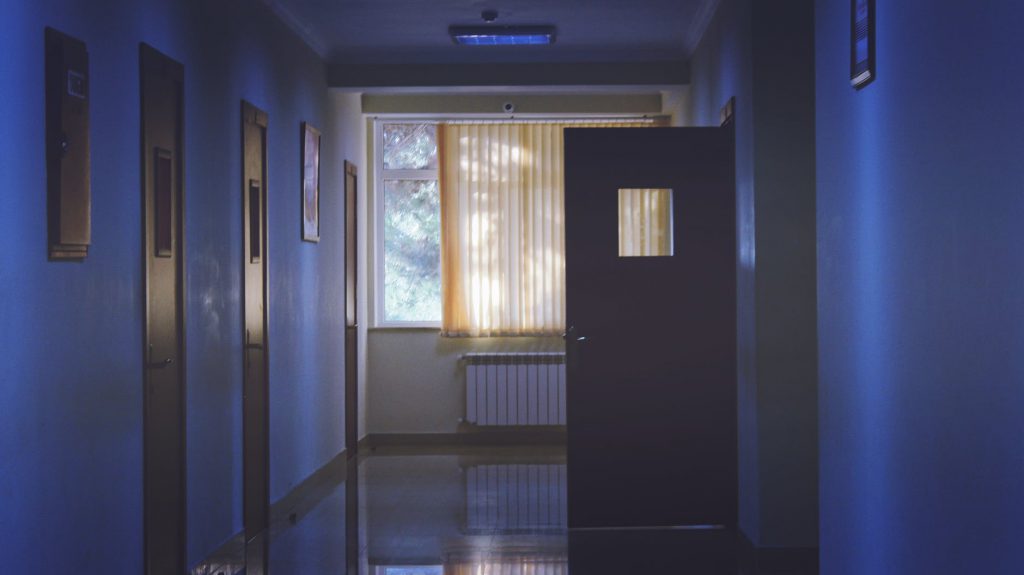
Then one day you find the bed empty, because they're dead.
Was that jarring?
I'm sorry.
That was kind of the point though - that's sort of what it feels like.
I wasn't entirely accurate, because sometimes you find a new stranger in that bed, but in terms of 'shock impact', it's actually been comparable for me whether or not I knew it was coming.
Understandably, it's the unexpected ones that shock you a little bit more, where you're left stunned and wondering as to why things took that turn, but even when your patient was extremely sick and you knew their time had come, it still jolts you. What's different, I guess, is that the initial 'OMG' is soon followed by a kind of gratitude that their suffering has ended, at least.
If this isn't bittersweet, I don't know what is. There's relief for them, on their behalf, as well as sorrow, and it's then that you realize that, despite your knowledge and accurate assessment of the probable outcome, you had been hoping that this would be the case that would beat the odds.
At that point - the point of revelation, you're a little dumbfounded and you don't quite know what to say, so you 'okay' it and just get on with what you're doing…and once again, each situation is different, so I can't really even make broad strokes, but eventually you get to this point of having taken it in stride and having moved on.
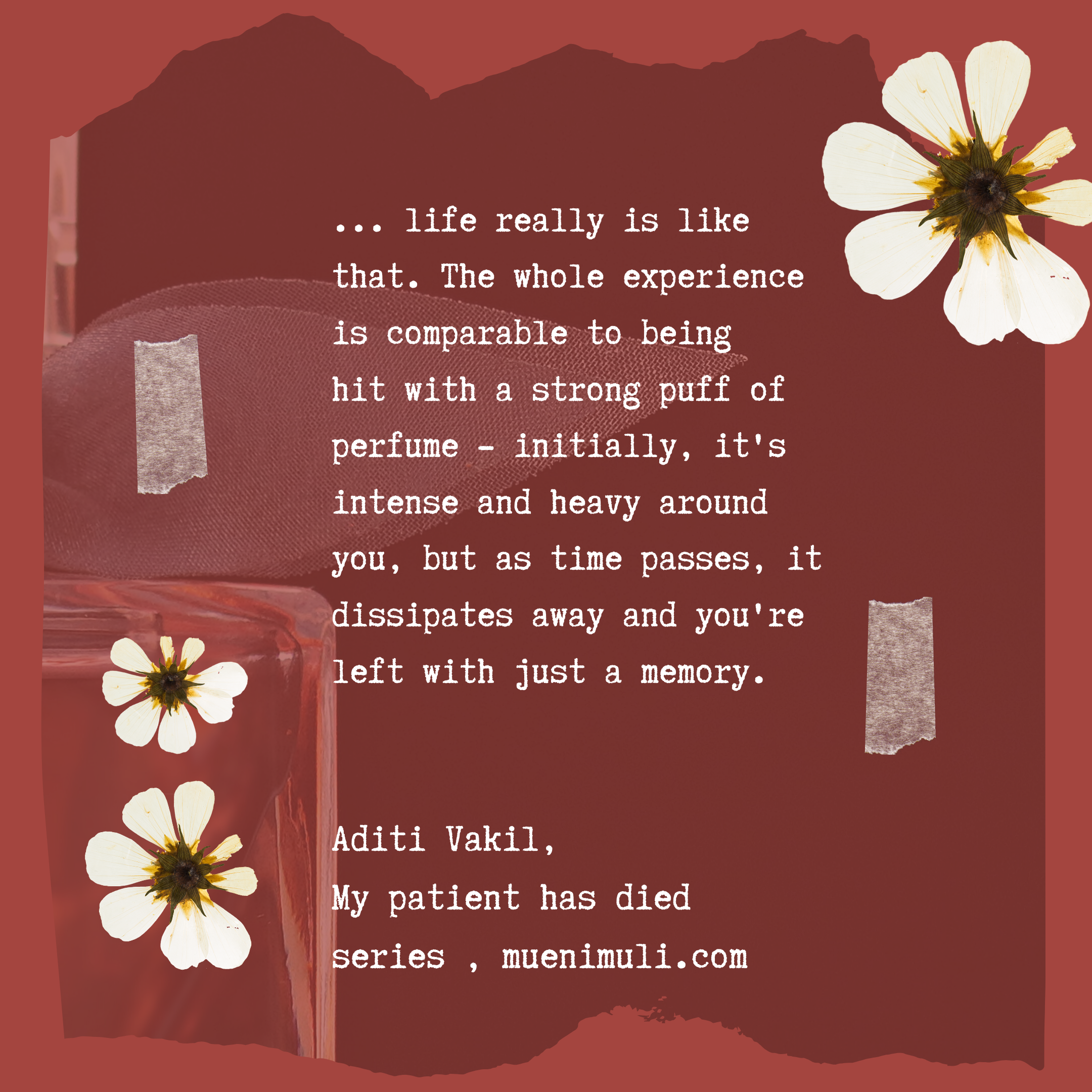
It sounds extremely callous, I know…but life really is like that. The whole experience is comparable to being hit with a strong puff of perfume - initially, it's intense and heavy around you, but as time passes, it dissipates away and you're left with just a memory.
The world carries on. The file gets wrapped up with a brief summary, and the 'deceased' label appears next to your patient's name in the admissions register…and that's it.
For you, anyway.
I imagine this is a new, terrible sort of beginning for the patient's family and friends, but that's not what this is about. This was meant to be about the medical students' perspective, and for me, after having run a number of these circuits, I've gotten to this a new understanding of 'the big picture' that I didn't have before.
Life is short, and in the grand scheme of things, we are so insignificant I won't get to see what happens following my own death, but I have seen enough to make a fair approximation of how it'll go - and the bottom line is, the world is going to carry on just fine.
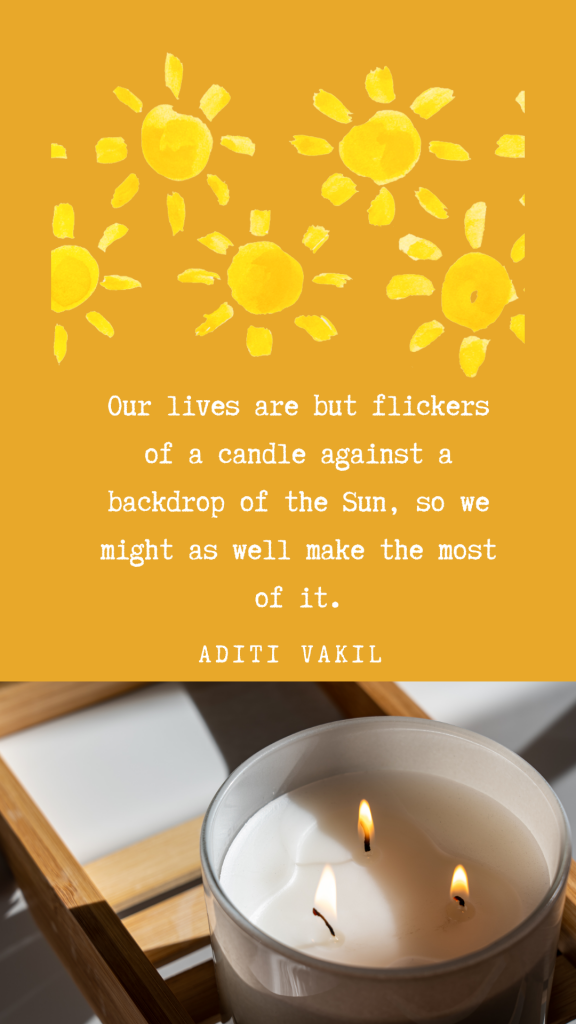
It sounds depressing and defeatist, but please don't get me wrong: this is just a stepping stone in the stairwell that leads to my ultimate, not-so-original conclusion: our lives are but flickers of a candle against a backdrop of the Sun, so we might as well make the most of it.
It sounds dehumanizing and insensitive to say 'everyone will die, death is no big deal', but I say it with all the appreciation and reverence for life itself. Death is a given. Once you come to fully embrace that, you're able to free up any mental energy that was spent being apprehensive about that outcome, and appreciate even more greatly the life part of the journey.
Not that death is an absolute necessity to be able to appreciate life, of course…but again, that's besides the point.
The appreciation for the here and now has simply been one of my biggest takeaways.
Another one relates to how inspiring and brave people can be. I can think of a couple of patients with poor prognoses, who knew what was coming, and were still unfazed. They weren't stoic, really…rather, I think the word is 'graceful', and it's truly so inspiring! If they can do that with the ultimate endpoint, I feel there's no reason I can't apply it to everything else that happens in life, you know?

The other strong emotion I've felt in this situation is…well, heartbreak. It's so heart-wrenching sometimes to see someone's fears, or the impacts on those dependent on them, or - and this one hits you hard an entirely different way - a parent's pain and despair when the patient is but a child. At these points, that it happens to everyone isn't of much comfort. It doesn’t even change anything for that family, anyhow - the wounds remain just as raw.
I realize this sounds like an incomplete thought, but that's really all there is to it. You see that pain, and you feel it too…and that's it. There's nothing else to be said or done about it.
I guess, that's just life.
And from my end, that's death, too.
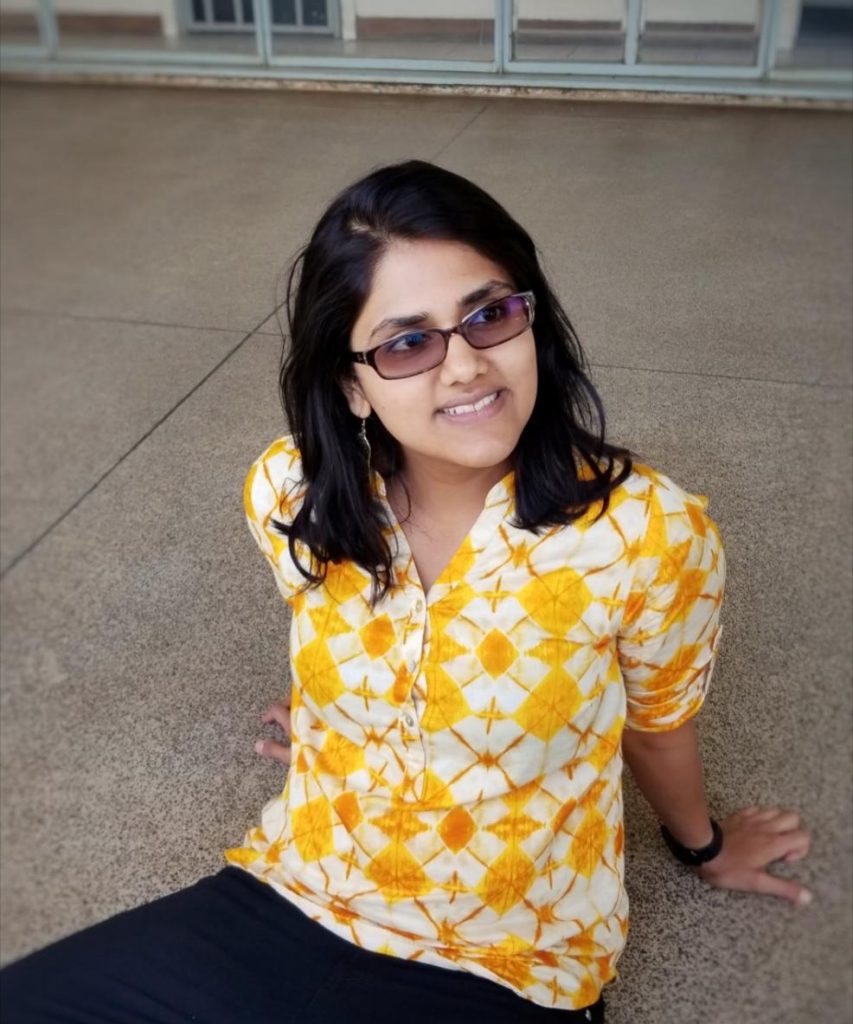
Thanking my lovely friend, fellow poet and writer, Aditi for this deep sharing, quite timely in this season of the pandemic.
Do share this article with someone you think it'll encourage. 😊 Plus, stick around for 3 more articles in this series coming by this week. Follow and subscribe to the blog so that you get them straight to your inbox!
Barely breathing (My patient has died Part 2)
“Kindly make it as raw as possible…”
Joy said, as she asked me to write down my experience with death as a medical student .
A statement which I found easy to attain because I see the topic at hand is as raw and bare in and of itself.
A topic which takes you the viewer through a rollercoaster of emotions and at its end, leaves you bewildered at its sudden arrival and departure.
The frightening aspect of this event is that it’s never described by the one experiencing it but rather than the audience viewing, hearing and at times, smelling it.
I for one was plunged into the whirlwind encounter of death at a tender age of twelve with the loss of my father to the grips of what they call bowel cancer.
It was at that time it hit me how mortal and fleeting we are as man but only in an abstract form, as I had not been a firsthand witness to my father’s last breath.
Upon joining med school I was beaming with naivety, ignorance and gusto on what it is to be a doctor since I had the sole pseudo knowledge of what death is through the loss of my father.
Death on the other hand had more up its sleeve to show me. It was third year; I walked into my assigned ward with enthusiasm completely ignoring my colleagues who were camped outside the ward dreading to enter the unknown.
The waft of faeces with the musk of sweat hit my nostrils and made me shudder at what was in store for me. I still mustered the courage to walk to the nurse at the front desk and ask with my calm baritonesque voice,
“Is there a doctor around who could show us around the ward?”
The nurse barely looked up and pointed with her bic biro to the left where a young doctor seated on what seemed to be a picnic table.
I approached the doctor; her skin was caramel soft and teeth pearl white but her eyes told a different story, dull and sunken, are all I could read from them.
Before I could even utter a word she flew past me and went straight to the nurse, my ego biting at me at how easily I was ignored. When I finally caught her eye and begun to speak another nurse tugged her from behind swooping her to one of the ward rooms.
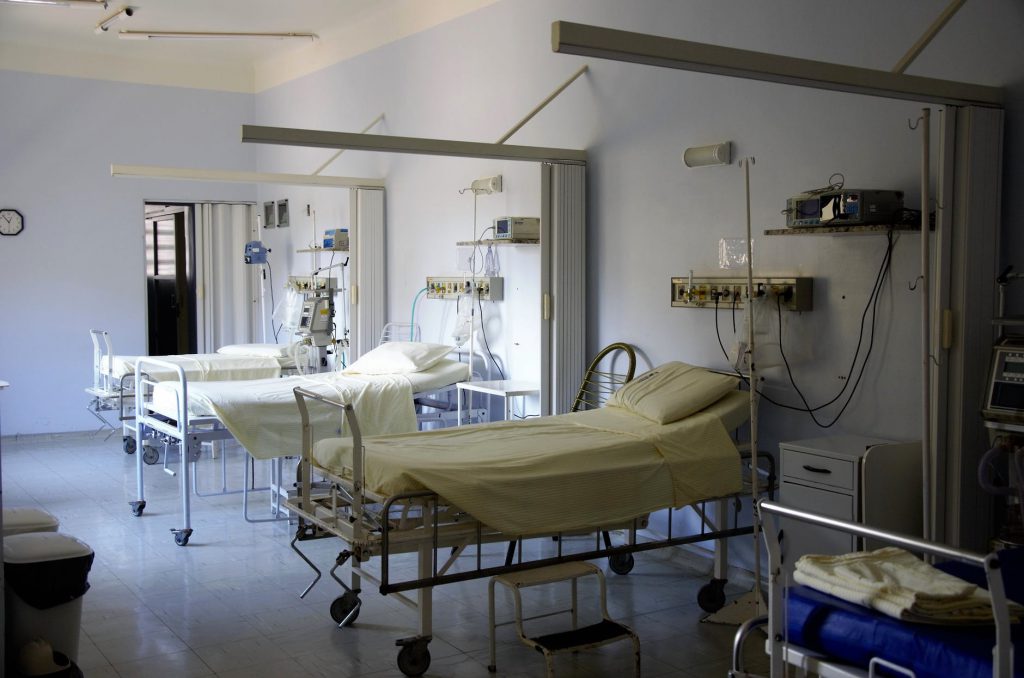
I followed cautiously behind and saw a flurry of hand motions, tubes being placed and ultimately a blanket being thrown over a motionless body.
I stood their perturbed at the flash of events, the young doctor finally spoke to me and simply said,
“Go read your Hutchinson’s I don’t have time to talk. ”
That was it. My colleagues and I were sent out of the ward. I for one, still confused at what I had witnessed, walked back to class wide eyed and taken aback.
The weeks went by but the brute memory of what I saw on my first day of clinicals was still gnawing at my soul.
“How could death be so abrupt?”
Scenario 2:
It was a hot and stuffy afternoon in my ward at Kenyatta Hospital. My two colleagues and I were about to head for lunch break and were at the cusp of completing our clinical history at the female section.
I couldn’t help but hear the patient next to us begin to cough and gasp for air. I barely turned to look at her, just hoping it was just a passing irritant in her lungs. This was not the case. Her gasps became more erratic, her cough more violent and deep.
Upon turning to her, my face fell with shock, she was a petite girl barely of high school age. Her skin was pale, tears slowly streaming down her face from exertion. She haphazardly pushed her gas mask away from her face and looked at us without words but with a stare of resounding fear covering her face.
I rushed to call the nurse on duty who quickly dashed to where the patient was.
“ She’s in respiratory distress we have to do chest compressions. ”
She pointed at one of my colleagues and ordered him to begin the chest compressions. At first he looked awestruck at the order and slowly began what looked like gentle pats on the patient’s chest.
The nurse couldn’t correct him as she was already rushing to call the doctor on duty and get the resuscitation bag.
Again, here I was watching the flurry of hand motions occur. The sounds around me fell silent as the phenomenon of death began to creep in.
When the nurse had returned, it seemed like a day had passed. The doctor’s face was distraught at the scene. My colleague was pushed away and we then saw what true chest compressions are;the doctor pushed down on her small frame as if wanting to break both her ribcage and the bed she laid on.
The nurse slowly but surely pushed air into her small lungs. A quick palpation of her wrist and it was confirmed another victim had fallen to death’s scythe.
There I was still standing wondering was this event I just saw real. I genuinely to this day can’t explain the emotions one goes through when witnessing death.
All I can say is those feelings entrench our memories of how fleeting we are and how vital it is to take a breath, you don’t know when it could be your last.
Guest writer: Kamau Gachegu
Soli Dei Gloria. Share this post with your family and friends😊
Lessons about life, from death
5 things I learnt about life from a morgue: Chronicles of a medical student
As I have done before, here's an audio narration of the blog, for those who like to literally 'hear it from the horses mouth'!
https://soundcloud.com/joy-mueni-muli/lessons-about-life-from-death
(I personally recorded it so, do tell me in the comments if I should keep on doing it.😉)
For the readers, do proceed...
Quite the ironical statement huh? Learning about life from a morgue.
Being around dead bodies isn't the best experience I must say. It, however, is something medics go through quite frequently. Not only in the wards, but in emergency casualty settings and for students in particular, while in the Anatomy and Pathology units.
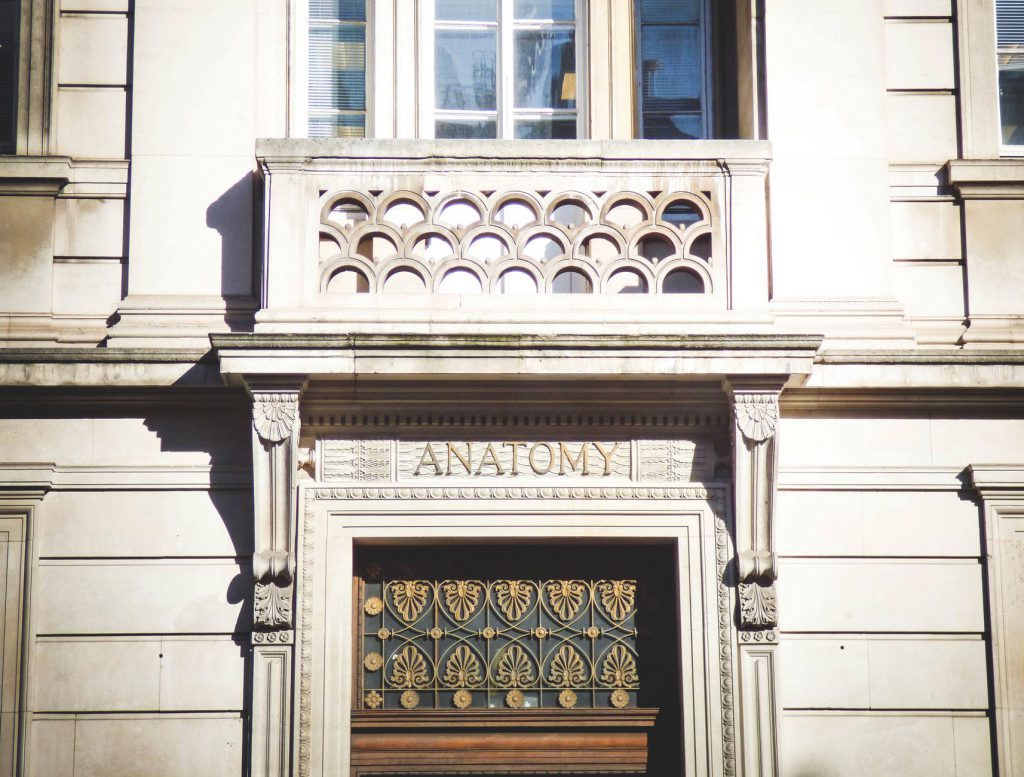
Pathology happened to be among my last rotations in my 4th year of medical school and boy wasn't I glad! I needed time to build morale for going to the morgue.
Yes, I had been around cadavers in first year, but this time, things felt different. There's something about a morgue where different bodies come in each day versus an anatomy lab, where every group is assigned one body for the entire year.
Also, back then we were green, learning about muscles and all...so I don't think it hit me then as much as now. Another irony.
Oh well, some of my friends who had started with the Pathology rotation came back with gory stories. Stories told over and over again, I wondered whether it was cathartic or whether they retold them for the mere reason of seeing me squirm in my seat each time. The grimace on my face was a grim visual of how I really felt.
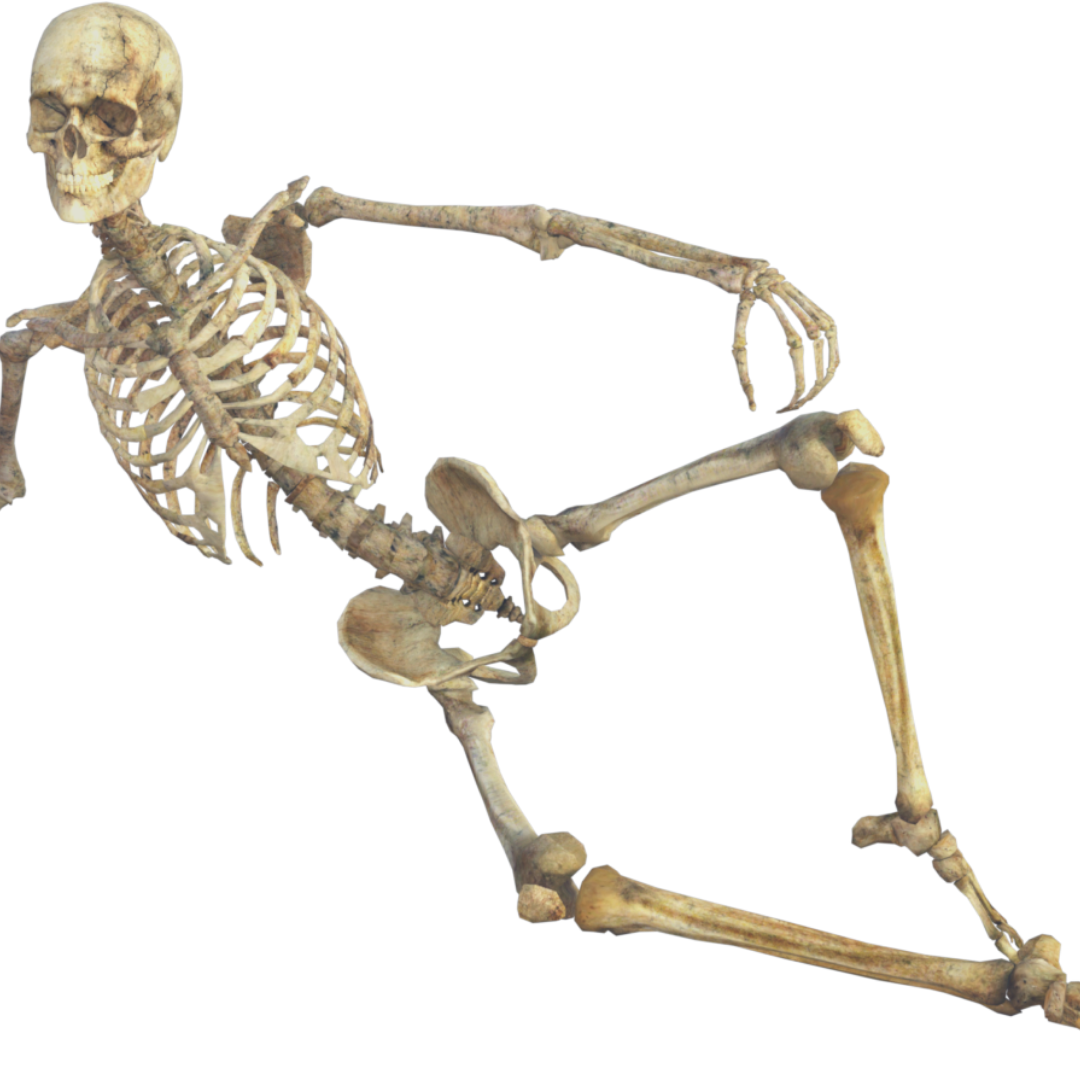
"They remove the inner organs ruthlessly;they grab the trachea and pull out all the insides."
"The sound they make when they crack open the skull, kkk! If that doesn't scare you!"
The worst one, in my opinion, was..
"You know they usually stuff back the organs in no particular order."
"Wait, you mean they don't arrange them back into the body ?
" Nope. The brain is shoved back in the abdomen with everything else."
"Gosh! Must we really go to the morgue?" I asked.
I'd never postponed something like I did entering the morgue. This time, I wasn't trying to be the ambitious student who went and studied ahead. Nope. This time I waited until it was inevitable.
My day did come, of course. And I tried to be as brave as possible. I, for one, knew that I had to be with someone while entering the morgue. Thankfully, we got in as an entire class, so I wasn't alone. Praise God!
Besides the fact that I wasn't doing this alone, I was comforted that I wasn't the only one who had these feelings. The gentle reassurance I received from the classmates in my rotation was heart-warming.
We found more than 5 bodies awaiting autopsies. I had been in a room full of dead bodies in anatomy, as I said, but this time it was different. These people had just recently died. Their blood was still fresh. Some having died in accidents and had their skulls crushed...hmmm...
Amidst all this, my mind was a storm. A flood of many puzzling questions:
"How is it that one minute you could be walking, breathing, talking and the next, your heart stops beating, your brain stops thinking and you're gone?"
"Does life really amount to this? "
"Why such painful death? "
"Are they really dead? That guy looks like he's just sleeping."
These and many more questions rung in my mind for the entire 2 weeks while at the morgue. I then purposed to share a few things I learnt about life, while there so here it goes.
1.Our bodies are vessels.
Looking at the bodies lying there, I knew that these muscles, bones, hair, faces..these bodies we have are just a container for our souls and spirits. I finally understood the analogy of the body being a vessel.
Because, as the postmortems went on, it boiled down to so and so's liver, heart& brain weigh this, this & that... Just organs. And everyone had those. Some bigger/smaller than others depending on the body size, but eventually, those people were more than just their organs.
I can't look at those organs and say 'these organs put together' is person X. Nope. Person X's spirit is no longer there. Their body was just a vessel for them while they were here on earth.
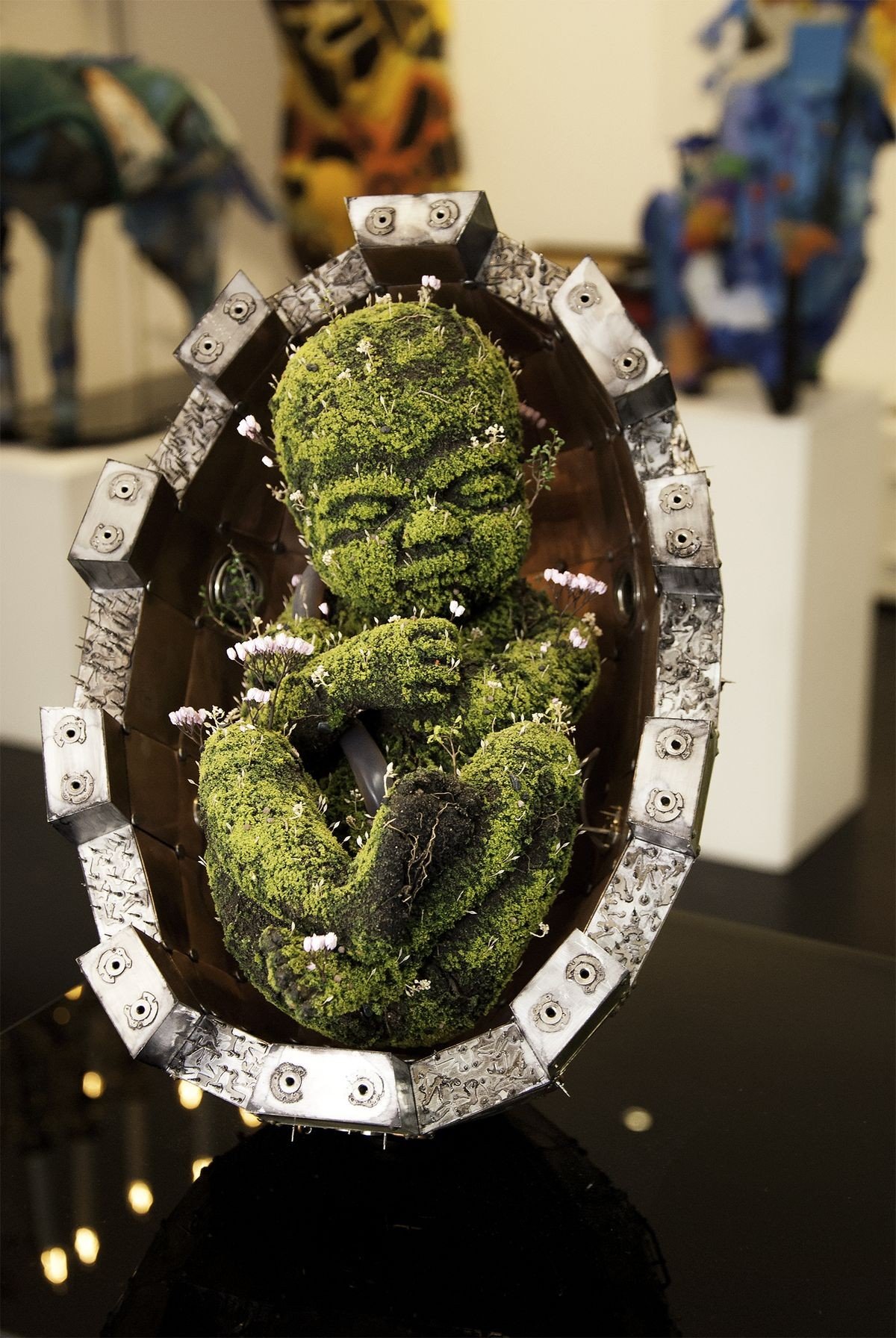
2. Life begins at conception.
Seeing a foetus in the womb of their mother was one of the most heartbreaking moments.
Seeing the forming limbs, face and body after cutting open the womb, checking for the placenta attachment and measuring the foetus' weight...
That, guys, was evidence to me that life begins at conception. The life lost wasn't only the mother's. There were two lives lost.
3. There are many questions we may never receive an answer to, and that's fine.
The cause of death in a postmortem isn't really 'this patient was stabbed by her boyfriend' or ' he was hit while crossing the road'. Pathologists search for the real reason they died. For example, they had an MI( heart attack), broken ribs following trauma, brain herniation after bleeding etc. And the answers may not always be found.
Now, when the postgraduate was doing a postmortem on the pregnant lady , we searched and searched for what could have caused the death since her history was so sudden.
She'd gone to the hospital complaining of abdominal pains and died while at casualty. We didn't find anything grossly wrong and so we had to take tissue for histology to observe further.
I bet the relatives must have wondered;
"Huh? What do you mean no answer yet?"
Well, I guess the same thing could be said about so many life situations. No answers to what seems like never ending questions.
I'll never forget this verse my high school Chemistry teacher gave us when we had many questions concerning the death of a classmate.
"There are some things that the LORD our God has kept secret; but he has revealed his Law, and we and our descendants are to obey it forever." Deuteronomy 29:29 (NIV)

4. Human life is like a vapour in the wind.
A child playing with friends is run over by a car. Dies immediately .
A pregnant lady complains of abdominal pains. Dies while at casualty.
On and on the stories go...
I wonder how pathologists do it. Being around death all day isn't funny. One day, I got home, opened Ecclesiastes on audio Bible and listened to it. This is the book in the Bible that I'd thought was a bit 'too morbid', but trust me, it seemed like the only appropriate thing then.
Ecclesiastes 1:2 The Voice (VOICE)
Teacher: Life is fleeting, like a passing mist.
It is like trying to catch hold of a breath;
All vanishes like a vapor; everything is a great vanity.Ecclesiastes 12:8 The Voice (VOICE)
Life is fleeting; it just slips through your fingers. All vanishes like mist.
One minute here. The next minute gone. It all made sense now.
That leads me to my last lesson/reminder...

5. Appreciate life.
Your own, and that of those around you, while they're still around. Having lost a close friend last year, I know this all too well. Treasured moments with her, I hold so dear.
I examined my life and wondered why I would spend precious moments in bitterness, anger, fear, vanity...(You know those things yeah? Enhe.. Add to the list...)
That's precious life time spent on what is absolutely unnecessary! I'd rather love, laugh and live! (hmmm.. if only I knew what this really meant when I put it as my Instagram Bio @muenimuli)
But guys, isn't this always our resolve when we go to funerals?
When faced with death, I think the true human response to life is seen. Where we prioritize the basics.But when busyness takes over, we go back into the same cycle of, in a friend's words "majoring on the minors and minoring on the majors."
That's basically what Ecclesiastes is all about btw (so I figured). Solomon had it all (I mean, let's not even discuss this😂) , and had tried everything, but when he left God out of the equation, nothing satisfied him.
There is purpose in life, and it is found in knowing God and keeping His commands. That’s why he ended his book in this way:
“Now all has been heard;
here is the conclusion of the matter:
Fear God and keep his commandments,
for this is the duty of all mankind” Ecclesiastes 12:13 (NIV)
A human life lived to the exclusion of any consideration of God is meaningless.
What lessons have you learnt about life, through death? Either of a loved one, family member, friend or witnessing one happening... Do share it in the comments. I'll be waiting to hear from you, my dear reader.😊
Also, feel free to share this blogpost. I'm sure there are people in your life whom you have had this conversation about death with(as morbid as it is).
Ps- Do check out this video by the Bible project! They did a great job at explaining our fleeting life, according to Ecclesiastes.
https://youtu.be/lrsQ1tc-2wk
Grace and peace!